
How to make a waterproof door Rasta Choob is the result of years of experience, technical knowledge and the use of the best raw materials. Rasta Choob as producer Waterproof door, using modern technologies and modern design, produces products resistant to moisture, decay and deformation. Rasta Choob waterproof doors are not only durable and highly efficient, but also add impressive beauty to indoor and outdoor spaces with a variety of designs and colors. Choosing a waterproof door from Rasta Choob means combining quality, beauty and durability in a professional product.
- How to make a waterproof door: a step-by-step guide for manufacturers and consumers
- Suitable raw materials for making the body and core of the door
- Design and cut: precision that lasts
- Coating, lamination and paint: the choice for long-term durability
- Sealants, gaskets and flanges: the critical points of intrusion prevention
- Choosing the right fittings and connections for durability in a wet environment
- Quality control tests and methods to ensure water resistance
- Installation and maintenance tips to maintain performance over time
- Costs, customization and selection for the Iranian market
- The final step to building a derby that really rocks against the water
Do you want to make a door that has real water resistance? If you are a manufacturer looking to standardize a production line or a buyer sensitive to durability and quality assurance, this article is a practical, step-by-step guide to How to make a waterproof door and provides the necessary technical tips. From choosing the right raw materials to edge design tips, coating methods, and sealant application, each step is explained in a way that both the technical reader and the small workshop builder can implement or evaluate.
In this article, we will focus on practical methods, quality control tests and selection of durable fittings, and we will combine practical training with practical examples and durability measurement criteria. Real costs, customization options, and installation and maintenance challenges are also addressed to make the decision to order or manufacture easier. If you followHow to make a waterproof door” or a “hands-on tutorial for making a moisture-proof door,” read on for practical answers, a list of suggested materials, and testing solutions — so you can gauge true quality and make a confident choice.
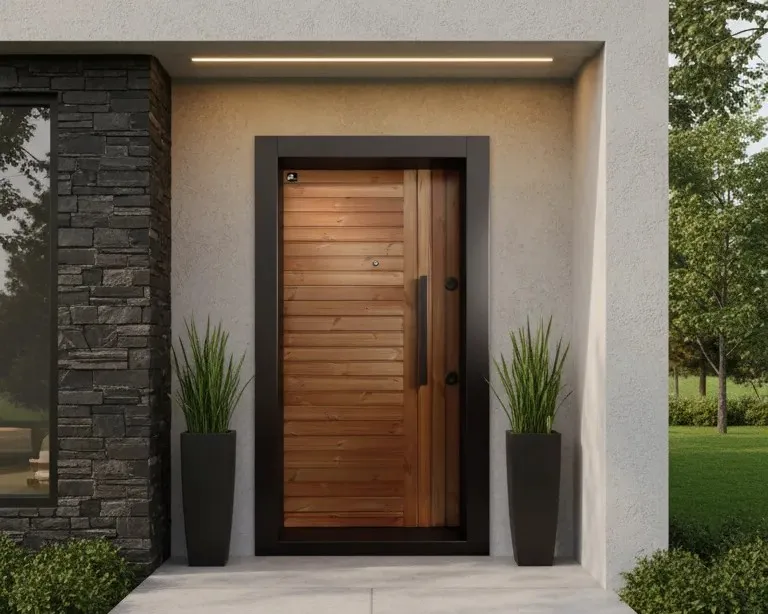
How to make a waterproof door: a step-by-step guide for manufacturers and consumers
The selection of materials, engineering of parts and precise control of the production process determine the life and efficiency of a waterproof door, and this article explains the practical methods for making such a door in a structured way. In the following, we discuss common industrial methods, implementation tips and technical choices so that the producer or buyer can evaluate the real quality. As one of the Iranian manufacturers in this field, Rasta Choob uses modern techniques and has presented examples of its creations for wet areas.
Suitable raw materials for making the body and core of the door
The door core can be made of moisture-resistant plywood, polyurethane foam core, or metal core with an anti-rust coating, and each has its own advantages and limitations. Special resin-coated HDF and MDF sheets are suitable for interior applications that require a waterproof coating, but marine plywood or dense foam core is recommended for consistently wet environments.
The outer layer can be reinforced with PVC laminate or gloss layer with epoxy coating to increase resistance to splashing and water penetration. For the door frame, the use of aluminum profiles or galvanized steel frames guarantees dimensional stability in humid conditions.
Design and cut: precision that lasts
The initial design should take into account the coefficient of thermal expansion and the path of water flow so that moisture accumulation points are removed and the edges are naturally watertight. CNC cutting and edge milling with tolerances less than 0.5 mm creates uniform seams and reduces water penetration from small distances.
In watertight doors, the arcs and slopes of the surface are designed to guide the flowing water, and the tongue-and-groove connection points must be carefully machined. To prevent water absorption at the edges, cut edges should be immediately protected with resin base coating or impregnation.
Coating, lamination and paint: the choice for long-term durability
Multi-layer coating with nano materials or epoxy to polyurethane based coatings ensures surface protection against moisture and UV rays. The first layer is usually a waterproof primer that reduces surface absorption, and the middle layer can be a PVC laminate or synthetic stone to increase mechanical resistance.
For exterior applications, the use of alkyd or glossy polyurethane coatings provides resistance to acid rain and prevents discoloration. In situations where the door is exposed to sea water, it is recommended to add anti-corrosion agents and use paints containing salt inhibitors.
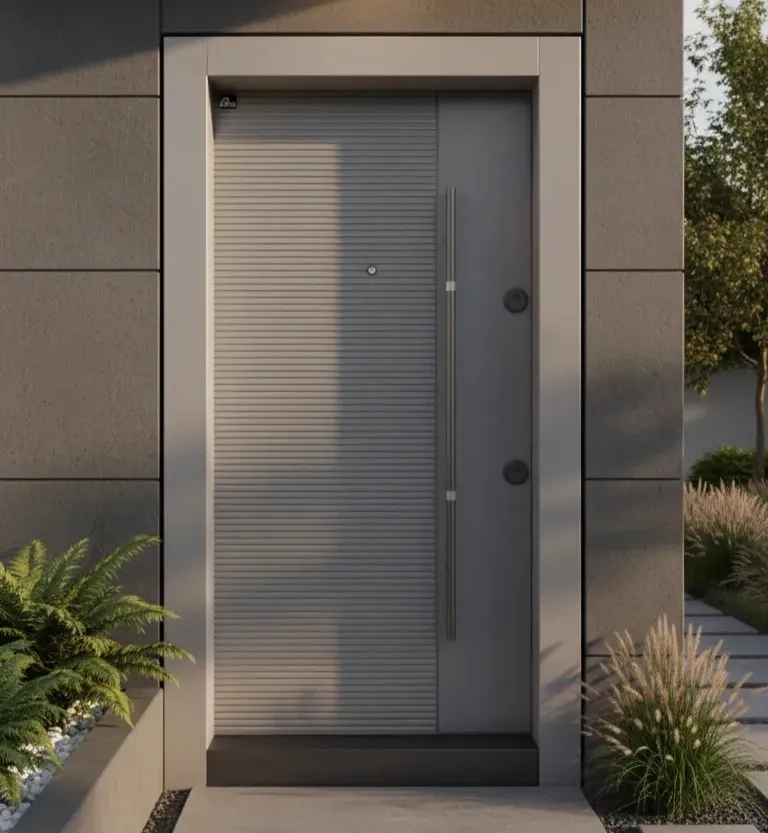
Sealants, gaskets and flanges: the critical points of intrusion prevention
Choosing EPDM rubber profiles for gaskets keeps flexibility at low temperatures and resistance to ozone and prevents water ingress. Sealing the edges should be done in several stages; First, silicone or polyurethane adhesives to fill large gaps and then install compression washers that are slightly compressed in contact with the frame.
The edges of the door can be covered with aluminum and PVC covers or profiles to reduce the effect of impact and wear on the seal. In special projects, the use of internal drainage channels at the bottom of the door provides the possibility of channeling accumulated water.
Choosing the right fittings and connections for durability in a wet environment
316 grade stainless steel fittings or with nickel-chromium coatings ensure the longevity of the lock and hinges in wet conditions and prevent rusting. For hinges, models with anti-corrosion bearings and the use of silicone-based lubricants maintain smooth operation in variable temperatures. Multi-point locks with coated steel mechanisms, in addition to increasing security, prevent water from entering the connection points. Choosing galvanized or steel bolts and nuts for assembly will prevent corroded spots.
Quality control tests and methods to ensure water resistance
Before shipment, each product must pass water penetration tests, including local immersion, water spray with specified pressure, and placement in a humidity chamber for specified periods to reduce the possibility of failure in real conditions. Cyclic tests include the effects of temperature and humidity changes that determine the separation of layers and the performance of sealants, and the results of these tests should be compared with the design criteria.
Recording the test results and labeling each batch of production helps the buyer have a quality record available. Companies like Rasta Choob provide random sampling and lab reports for all watertight doors to ensure performance.
Installation and maintenance tips to maintain performance over time
At the time of installation, the frame should be completely aligned and the space around the seams should be filled with flexible and waterproof materials so that structural movements do not cause cracks. The installed door should not be in direct contact with stagnant water, and installing a drain threshold or gutter under the door will increase its life. For maintenance, six-month intervals for checking gaskets and annual intervals for renewing surface coatings are suitable, and cleaning with soft materials without strong solvents is recommended. If you are looking for an order or technical consultation, Rasta Choob can provide customized samples and technical specifications suitable for different climates of Iran.

Costs, customization and selection for the Iranian market
The final price of a waterproof door is affected by the type of core, surface coatings, type of fittings and quality control costs, and doors with polyurethane core and epoxy coating are usually in the middle to high range. It is possible to order the color, size, place of installation of the lock and the type of coating by manufacturers who have controlled industrial processes, and mass or custom production gives flexibility to the customer. Buyers in the coastal areas of northern and southern Iran should pay attention to salt resistance and special coatings, and samples with resistance to salt water are recommended for this market.
The final step to building a derby that really rocks against the water
Smart choice of materials, attention to detail in edge design and implementation of standard tests make the difference between an ordinary door and a durable waterproof door. For Pragmatists:
First, determine the contact surface with water and the climate of the installation and choose the appropriate core and cover based on that; For example, in constantly wet environments, you need more resistant layers and less absorbent cores. Second, complete the design of edges and drainage paths before the final cut to eliminate the need for costly modifications. Third, perform a quality control protocol including pressure water spray, localized immersion, and temperature/humidity cycling testing and document the results. Fourth, define a program in installation and maintenance: accurate alignment of the framework, prevention of stagnant water and periodic visits of gaskets and covers will multiply the useful life.
Compliance with these steps will reduce maintenance costs and the buyer's confidence in "How to make a waterproof door" strengthens Remember: true quality is found in consistent performance, not claims—a properly made door is an investment in security and comfort.
How useful was this article?
1 --- 5
Average rating 4.8 / 5. Number of points 455
No points have been registered so far. (be the first)