
What is a waterproof door? If you are looking for a derby that is highly resistant to moisture, steam and direct contact with water, Waterproof door That's what you need. These doors are usually made of PVC or WPC, and in addition to being extremely durable, they give a stylish and modern look to the space. Rasta Choob Series, with years of experience in producing all kinds of building doors, including waterproof doors, produces products that are both durable and beautiful. By choosing the waterproof door Rasta Choob, you will have peace of mind about the quality, durability and beauty of your home.
- What is a waterproof door? Tips you need to know from production to installation
- Materials and technical structure: from core to cladding, what matters?
- The distinction between waterproof doors and traditional doors and practical benefits
- Practical applications in waterproofing and environmental samples
- How to buy a standard waterproof door: technical tips and pre-purchase review
- Installation and maintenance tips to increase the useful life of the waterproof door
- The way forward: how to make a decision that will give results for years?
Imagine that the door of your bathroom or kitchen starts to swell, turn pale or grow mold after a few months of use; Suddenly, repair and replacement becomes a big expense and hassle. The waterproof door is a solution designed to prevent these problems: a product with a multilayer structure and special material that protects against the penetration of water, steam and moisture and maintains its appearance and performance in wet conditions. These doors are not only preferred for domestic spaces, but also play a vital role in maintaining health and durability of equipment in sensitive environments such as hospitals, industrial kitchens, swimming pools and laboratories.
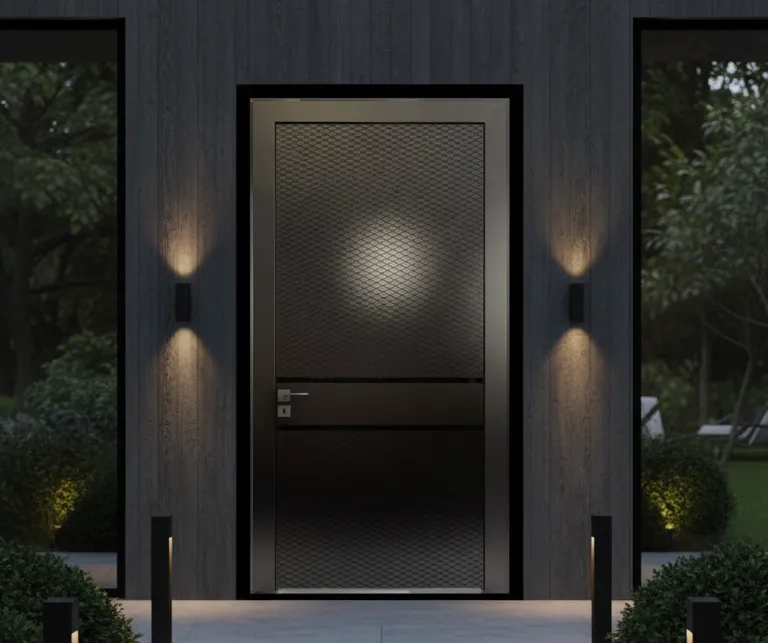
What is a waterproof door? Tips you need to know from production to installation
A waterproof door is a type of door that is designed to resist the penetration of moisture, steam and direct contact with water, and layers and coatings are used in its construction to prevent swelling, warping and rotting. Reputable factories and manufacturers produce these products with a combination of resistant core, water-repellent coatings and stainless fittings for optimal performance in wet environments. The main purpose of waterproofing is to protect the internal structure and maintain the hygiene of sensitive spaces, especially in hospitals, toilets and kitchens.
Materials and technical structure: from core to cladding, what matters?
The inner core of waterproof doors is usually made of materials such as foamed (compressed PVC), Russian wood or filled plastofoam, which have low water absorption and retain their shape. The final surface can include MDF ABS-coated sheets, vacuum-coated chipboard, or integral PVC coatings that provide anti-scratch and washable properties. The presence of high-quality EPDM or silicone sealing tape on the sides prevents steam and water from entering, and resistant frames with standard diameters (for example, 9, 13 or 17 cm) help to stabilize the structure and install correctly. To ensure performance, adhesives and the vacuum coating method play a vital role; High-quality adhesives and the correct pressing process prevent the cover from lifting.
The distinction between waterproof doors and traditional doors and practical benefits
Compared to ordinary wooden doors, the waterproof door is much more resistant to moisture and the growth of fungus and mold, and for this reason, it requires less replacement or repair over time. These doors often have an anti-scratch and washable surface that makes cleaning and disinfection easier and are suitable for medical facilities and industrial kitchens. In addition, the foamed structure or dense cores increase relative sound and thermal insulation, which is an advantage in hospital or apartment environments with common space. Saving long-term costs and maintaining the beauty of the appearance are other practical benefits.
Practical applications in waterproofing and environmental samples
The waterproof door is widely installed in toilets, bathrooms, swimming pools, saunas and kitchens; But its use is not limited to these cases and it is used at the entrance of villas in wet areas, treatment spaces, laboratories and even some room doors in Sharjah areas. In hospitals, samples with antibacterial coating and special fittings are usually used to maintain sanitary conditions in the best way. Construction projects in high humidity areas use foamed or ABS doors to avoid problems such as warping or swelling in the long run.
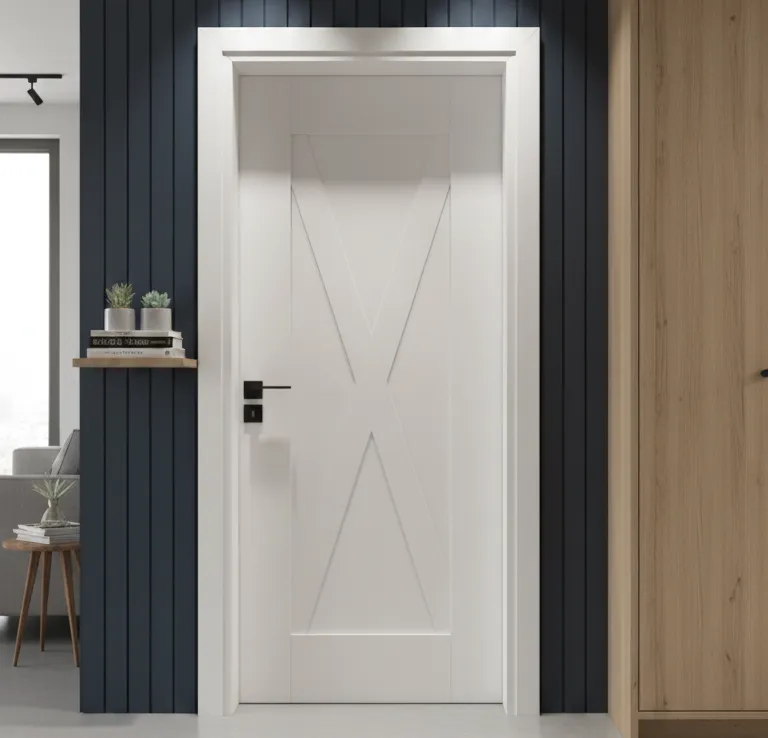
How to buy a standard waterproof door: technical tips and pre-purchase review
At the time of purchase, pay attention to the thickness of the coating and its material; ABS coating with a thickness of 1 mm or more and grade A quality provides better durability and resistance. The core of the door must be made of compressed or foamed materials with suitable density and vacuum press or gluing operations guarantee the necessary integrity. Stainless fittings, resistant sealing tape and the possibility of ordering customized dimensions are essential factors. Ask the manufacturer for the warranty card, previous samples and detailed technical specifications to make sure the product meets the standards you need. When comparing prices, consider the quality of materials and installation and after-sales services, and avoid accepting second-rate covers or low-quality adhesives.

Installation and maintenance tips to increase the useful life of the waterproof door
Correct installation plays a decisive role in the performance of the waterproof door; Extending the useful life requires installing the alignment frame, carefully sealing the corners with standard silicone and placing the sealing tape correctly. Use non-abrasive detergents and warm water for cleaning and avoid strong bleaching agents or harsh abrasives that can damage the coating.
Periodic review of fittings and lubrication of hinges prevents operational problems, and checking the condition of the sealing tape every few months prevents steam penetration. In case of encountering swinging or lifting of the cover, immediately contact the installation team or the manufacturer to carry out local repair and avoid aggravation of the damage; After-sales service and warranty are among the benefits that manufacturers include in providing a quality product.
The way forward: how to make a decision that will give results for years?
Installing a waterproof door is more than a purchase; It is a choice to protect space, save long-term and maintain health. Determine your priorities: the humidity level, the need for antibacterial properties and the annual budget for maintenance. Next steps worth your time include reviewing the material specification sheet, requesting a coating sample, confirming ABS thickness or core type and vacuum press, and requesting a warranty and after-sales service list.
Use a trained installer for installation and accept corner and strip sealing as standard. A simple maintenance schedule—washing periodically with a non-abrasive detergent, inspecting the sealing tape every six months, and lubricating the hinges—will extend the door's actual life many times over. Finally, when comparing prices, consider the total life-cycle cost, not just the spot price. In addition to peace of mind, a properly selected waterproof door will reduce repair and replacement costs and ensure the appearance and performance of the space for years.
How useful was this article?
1 --- 5
Average rating 4.9 / 5. Number of points 429
No points have been registered so far. (be the first)