
Rasta Choob, with years of experience in the production and supply of high-quality wooden products, is one of the leading brands in the field of sun protection doors and Waterproof door is considered These types of doors are designed using materials resistant to direct sunlight, humidity and temperature changes to maintain their durability and beauty in different weather conditions. Sun protection door conditions It is such that it not only prevents the harmful rays of the sun, but also prevents the wood from warping, cracking, and changing its color. Rasta Choob is a safe choice for those who want durability, quality and beauty together, using new technologies and eye-catching designs.
- Conditions for sunroofs: a comprehensive guide to selection, construction and maintenance
- Suitable material and structure for sun protection doors
- Standards and test criteria for sun resistance
- Design and installation compatible with climatic conditions
- Periodic maintenance and quick repairs to increase the life of the sun protection door
- Practical examples, cost estimation and buying tips for buyers
- A practical roadmap for choosing, installing and maintaining sun protection doors
Sunlight is not the hidden enemy of doors; But the combination of radiation, heat and humidity can shorten the useful life of the door. Choosing a door resistant to ultraviolet rays, temperature changes and humidity requires knowledge of technical specifications, construction materials and installation and maintenance methods. In this guide with a practical look at Sun protection door conditions We pay so that you can distinguish the difference between the options created by the type of cover, the thickness of the protective layer and the details of the connection. We will see how different materials such as thermowood, composite or HPL behave differently when exposed to light and what standards are valid for durability testing.
We also introduce design tips, climate-friendly installation methods, and practical maintenance schedules to simplify purchasing decisions based on long-term performance and cost-benefit analysis. If you need lab reports, installation checklists, or quick repair guides, you'll find answers and practical resources below. By reading this text, you can ensure a more informed choice, more effective maintenance and lower costs in the long run. Are you ready to find out? Sun protection door conditions Exactly what criteria does it include? So stay tuned. The following sections will outline manufacturers, tests, rugged installation methods, and periodic maintenance checklists along with practical buying tips.
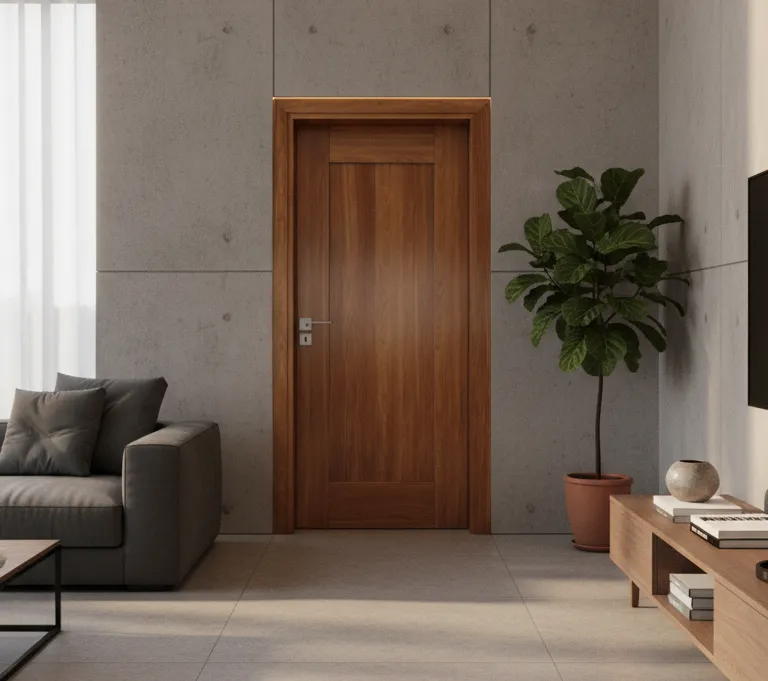
Conditions for sunroofs: a comprehensive guide to selection, construction and maintenance
Accurate understanding of Sun protection door conditions The first step is to choose a product that is stable against UV rays, thermal changes and humidity. Sun protection door conditions It is a set of technical features, materials used and coating methods that prevent peeling, discoloration or warping of the door.
A manufacturer like Rasta Choob tries to offer products that have a certain lifespan under direct sunlight by focusing on the selection of materials and the implementation of anti-UV processes. Factors such as the type of coating, the thickness of the protective layer and the details of the connections should be checked before purchasing to ensure compatibility with the weather conditions of the installation site.
Suitable material and structure for sun protection doors
The choice of the main material of the door determines its effectiveness under direct sunlight; Decay-resistant woods and Thermowood, fiberglass composites, and HPL with durable backing are common options. All wood doors should be made of species with high density and dimensional resistance so that sudden expansion caused by heat does not cause cracks or swelling. The use of insulated cores and edges finished with waterproof tapes reduces moisture penetration and prevents swelling.
As a door manufacturer, Rasta Choob usually uses a combination of materials and multi-layer coatings to increase stability against UV rays, and clearly states the technical specifications of each product so that the buyer knows which structure is suitable for the local climate.
Standards and test criteria for sun resistance
For real evaluation, you should refer to the results of standard tests; Accelerated tests such as ASTM G154 or ISO 4892 measure color changes (ΔE), gloss retention, and surface cracking at specified time intervals. Acceptable criteria include the ΔE limit for color change and percent gloss retention after 1000 to 2000 hours in the QUV test, which is an indicator of coating durability.
Also, it is necessary to check the adhesion of the coating to the surface with a type test and evaluate the resistance of the coating against scratches and applied wear for high-traffic doors. Requesting laboratory reports from the manufacturer before purchase is an important tool to ensure compliance with these standards, and these data should be provided along with relevant warranties.
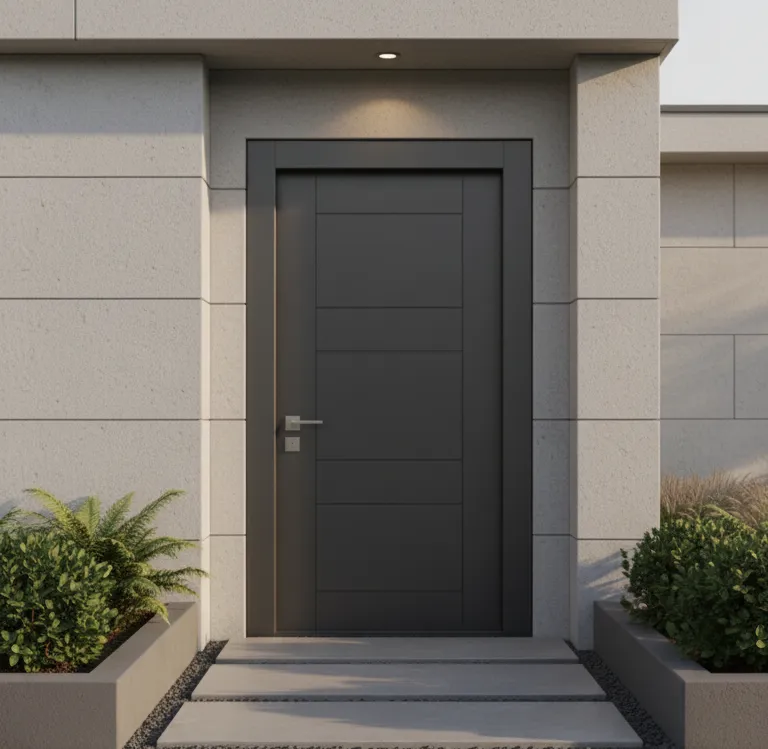
Design and installation compatible with climatic conditions
The basic design of the door can reduce environmental pressures and increase useful life; Adding a front or shade, using watertight thresholds and durable sealants, and choosing an installation direction that suits the sun's radiation are among the key points. For south or west sides where direct radiation is more, it is recommended to use reflective coatings or lighter colors to reduce heat absorption.
Installation details including the use of stainless steel screws and fittings, waterproof drilling and the creation of a controlled air gap behind the cover for ventilation also help to maintain dimensions and prevent warped sides. As a door manufacturer, Rasta Choob offers custom designs and installation advice tailored to each region's climate to optimize door behavior under direct sunlight.
Periodic maintenance and quick repairs to increase the life of the sun protection door
A regular maintenance program will dramatically increase the useful life of the door; A six-month visit is necessary to check for cracks, coating layer and sealants, and surface cleaning with mild detergents is recommended every three to six months to remove salt, grease, and contaminants that cause coating degradation.
If minor peeling or local discoloration is observed, applying a repair layer according to the manufacturer's instructions can prevent the problem from worsening. For structural repairs such as replacement of edges or finishing operations, it is better to use the technical services of the manufacturer or authorized representative so that the original quality of maintenance and warranty is not affected. Providing small repair kits with instructions from the manufacturer would be especially helpful for remote areas.

Practical examples, cost estimation and buying tips for buyers
In calculating the final cost, the initial cost, the periodic maintenance cost and the expected lifetime should be considered; A door with a high-quality coating may cost more, but it is more cost-effective in the long run with less need for repairs and re-coating. For example, doors installed under coastal exposure require coatings with stronger salt and UV protection and are more expensive to maintain, but maintenance intervals can be extended by choosing the right materials.
When purchasing, ask the manufacturer for technical reports including coating resin type, UV stabilizer amount, accelerator test results, and warranty terms. As a door manufacturer, Rasta Choob offers tested samples and customized options, and can prepare a long-term cost list based on the customer's local conditions to make a decision based on cost-benefit analysis.
A practical roadmap for choosing, installing and maintaining sun protection doors
The smart choice of the solar door means combining the right technical specifications with simple installation and maintenance decisions that multiply the useful life. First, clarify three questions: What is the physical behavior of the original material against ultraviolet (UV) radiation? What do accelerator test reports say (ΔE, gloss retention, adhesion)? And what will the annual maintenance schedule be? Next practical steps: Ask the vendor for test reports, match the cover and thickness of the protective layer to the installation climate, and finalize the connection details (tapes, screws, thresholds) for ventilation and to prevent moisture penetration.
In installation, shading or proper orientation can reduce thermal stress; In maintenance, visits every six months, gentle cleaning and quick spot repair will increase the intervals between recoatings. In an economic calculation, combine the initial cost with maintenance intervals and expected lifetime to make a decision based on a cost-benefit analysis. By following this simple checklist, your choice will be more functional, repairable, and cost-effective — and a good door will be a lasting safeguard for your home and your peace of mind.
How useful was this article?
1 --- 5
Average rating 4.9 / 5. Number of points 462
No points have been registered so far. (be the first)